
Bambu Lab Build Plates Explained: Which Plate for Which Filament
If you only own one plate, make it the Textured PEI: it handles PLA, PETG and ABS, needs no glue and releases parts when it cools. Add the Cool Plate SuperTack for a glassy-smooth PLA underside, Smooth PEI for a mirror finish on PETG and ABS (with glue), the Engineering Plate for nylon and PC, and the 3D Effect plate when you want a pattern on the bottom of a print.
Why the plate matters more than people expect
Every Bambu Lab printer uses a flexible magnetic steel plate and the surface coating on that plate decides two things: how well the first layer sticks, and how easily the finished part comes off. Get those two right and a printer feels magical. Get them wrong and you either lose parts mid-print or you gouge the plate prying them off. We keep three plates in rotation and swap in seconds, and it has reduced our failed first layers more than any slicer setting.
All of these plates fit the 256 mm machines (A1, P1S, P2S, X2D) and are sold in sizes for the A1 mini and the larger H series and A2L, so check the size before you order.
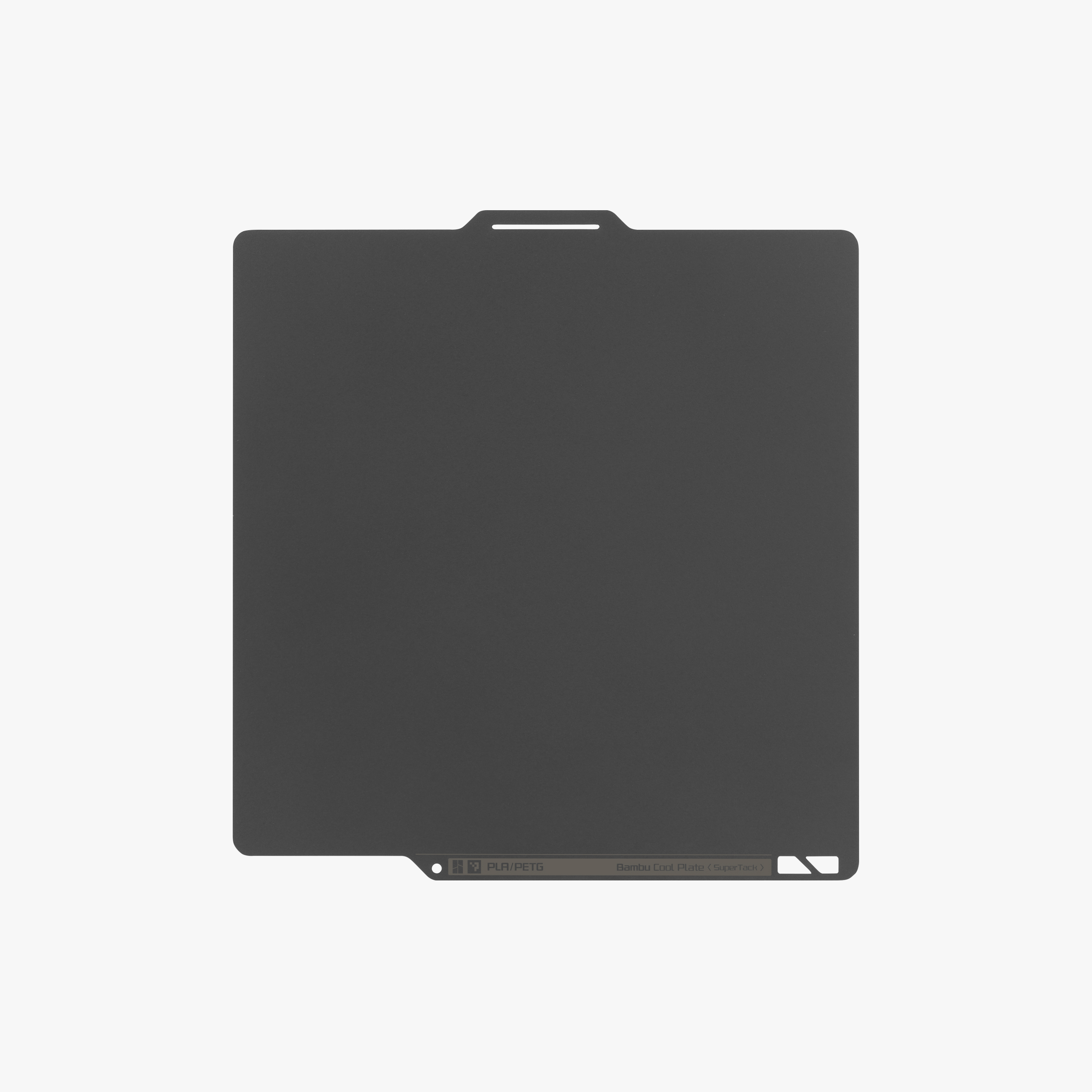

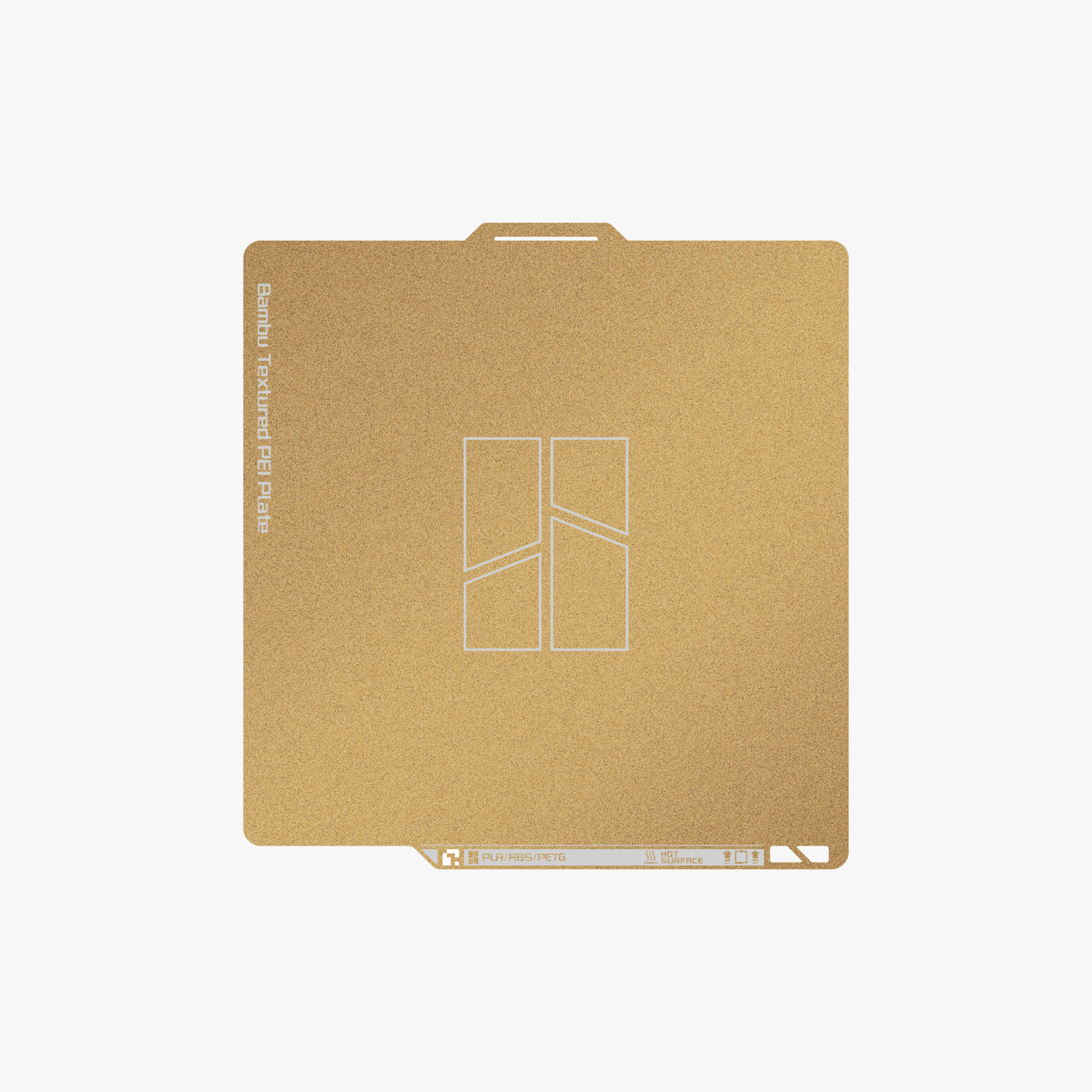
Textured PEI: the one to own
The Textured PEI Plate has a rough, powder-coated surface. PLA, PETG, ABS, ASA and TPU all stick to it hot and pop off once it cools, often without a scraper. The bottom of the part comes out with a fine matte texture that hides layer lines on the underside, which we actually prefer for chassis plates. It needs no glue for any of those materials and it is hard to damage. This is the plate we print RC parts on 90 percent of the time.
There is also a Dual-Texture PEI Plate with a different texture on each side if you want two finishes on one sheet of steel.
.jpg)

Cool Plate SuperTack: smooth PLA, no glue, no heat
The Cool Plate SuperTack is a smooth, tacky surface that grips PLA at a low bed temperature. The appeal is a glossy, flat underside on PLA parts and strong adhesion on small-footprint prints that would pop off a textured plate. It is also the surface that lets the A1 and A1 mini run cooler beds for PLA, which helps with elephant's foot. Do not use it for PETG: it bonds so hard that you risk tearing the coating lifting the part. PLA and PLA-based filaments only.
Smooth PEI: the mirror finish, with glue
The Smooth PEI Plate gives the flattest, shiniest bottom surface of any plate, and it is what you want for PETG and ABS when the underside is a visible face. The rule: use glue stick on it for PETG. Not for adhesion, for release. PETG bonds to bare smooth PEI so strongly it will pull chunks off. A thin layer of glue acts as a separator and everything comes off cleanly. For ABS on a P2S or P1S it is the standard plate and also likes a glue layer.


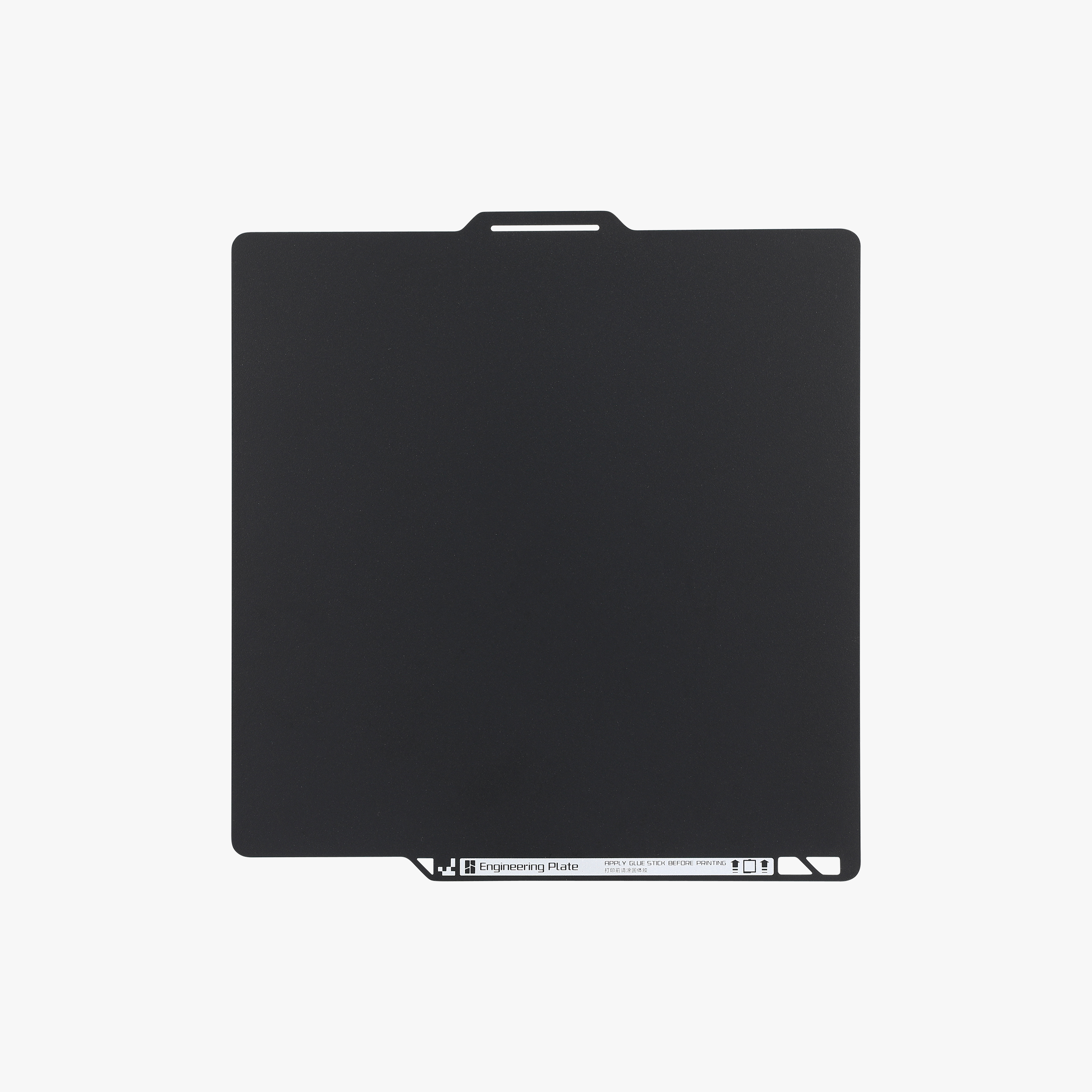
Engineering Plate: nylon, PC and the tough stuff
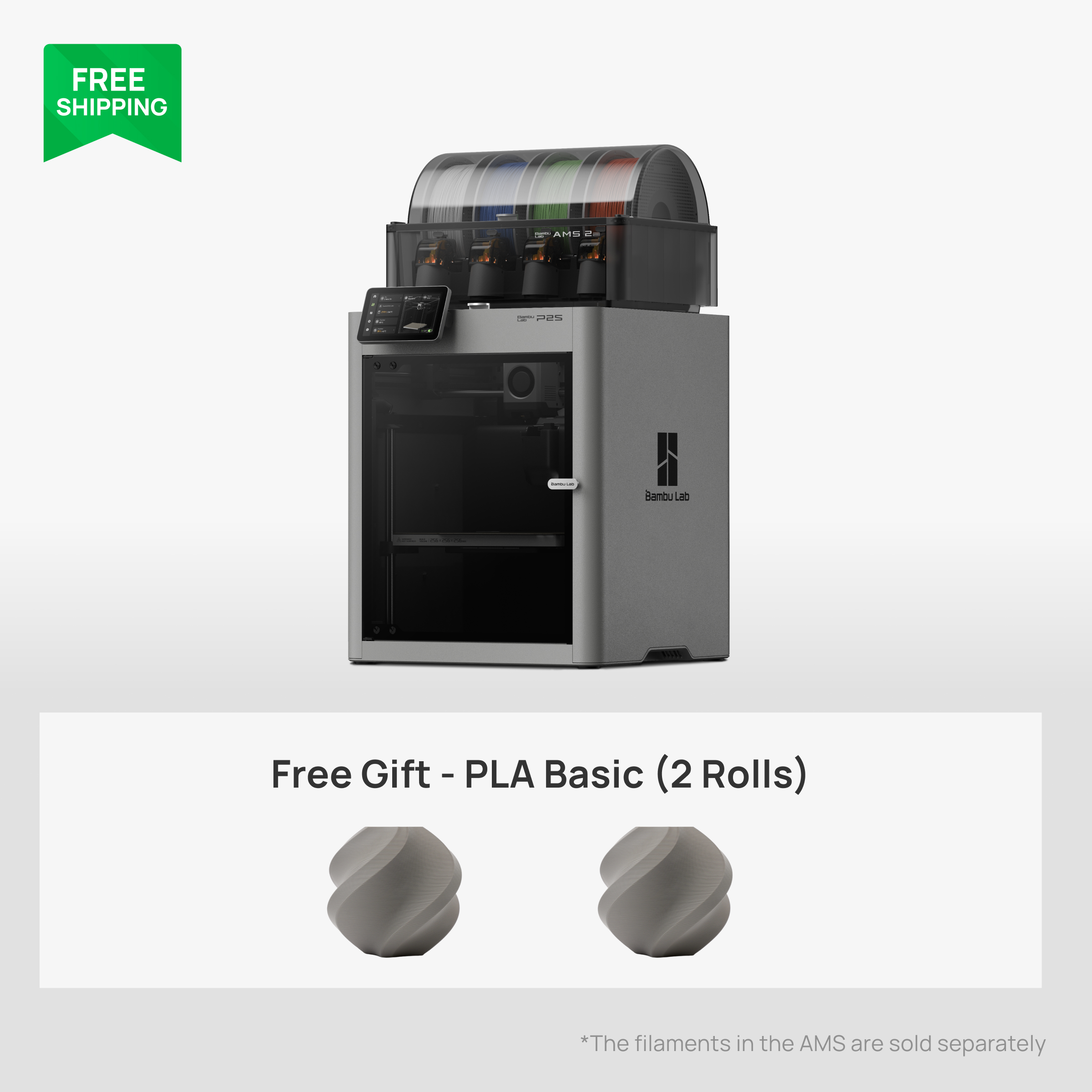
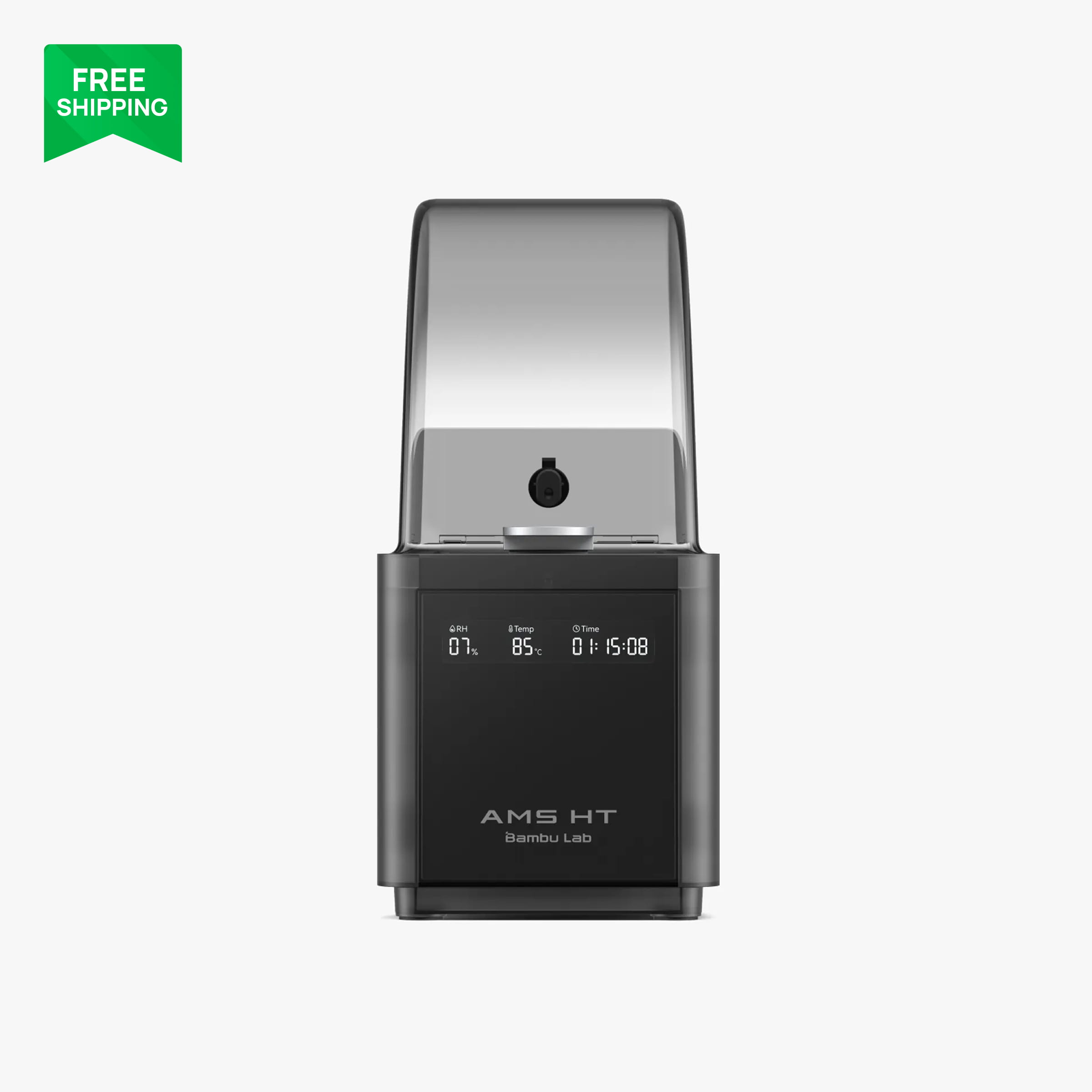
The Engineering Plate is for the high-temperature materials that warp off everything else: nylon, PC, carbon-fibre composites. It needs glue and it needs an enclosed printer (P2S, X2D, H series) to mean anything. If you are printing PLA and PETG you do not need it. If you are printing nylon gears for an RC drivetrain, you do, and you will want an AMS HT to keep the nylon dry while it feeds.

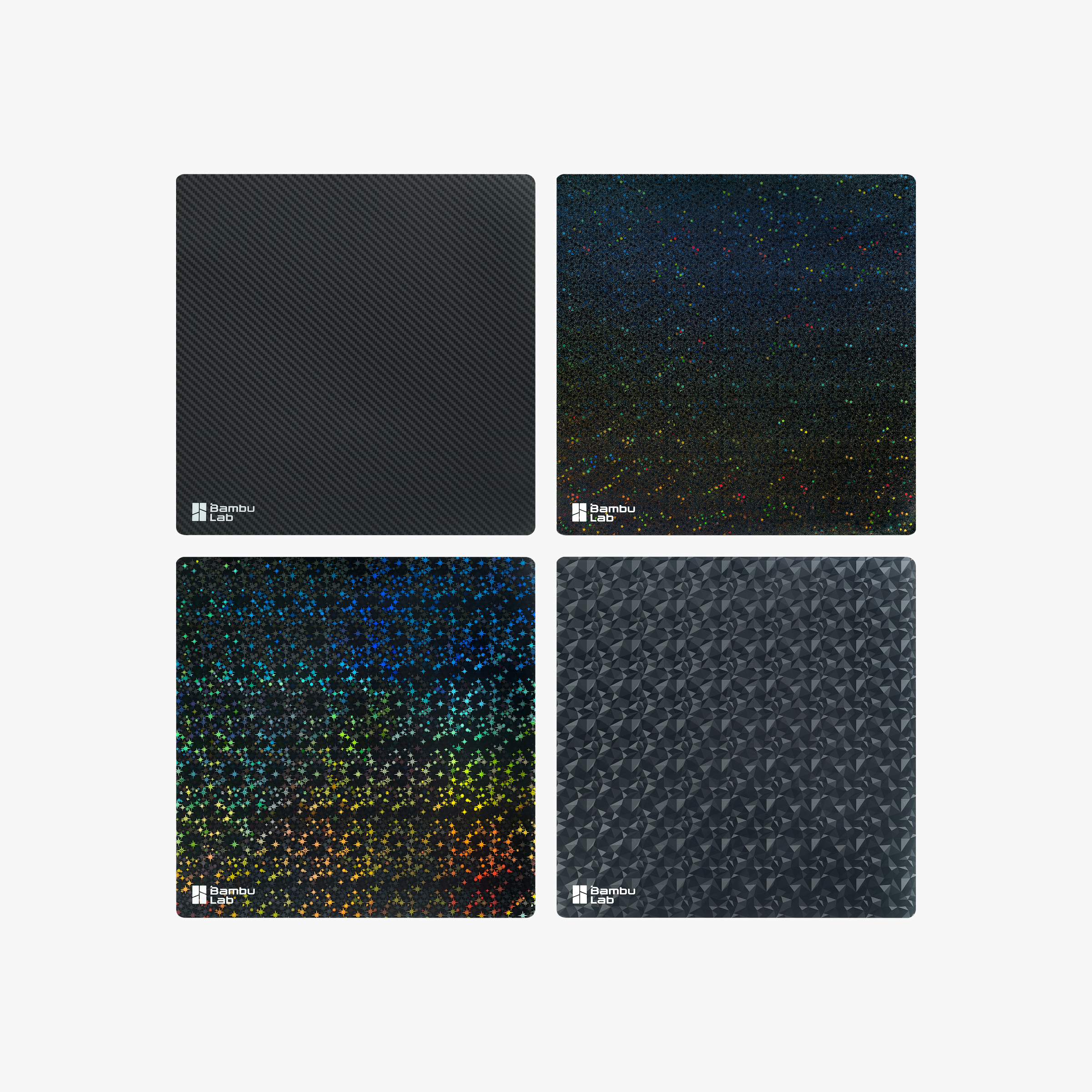
3D Effect Plate: patterns on the bottom
The 3D Effect Plate embosses a pattern (carbon fibre, honeycomb, and others in the full combo) into the first layer. It is purely cosmetic and it is great for lids, badges and plaques where the bottom becomes the top. Treat it like a smooth PEI plate for adhesion: PLA sticks straight on, PETG wants glue. We use it for RC body mounts that show a carbon texture through the body shell.

Keep them clean and they last years
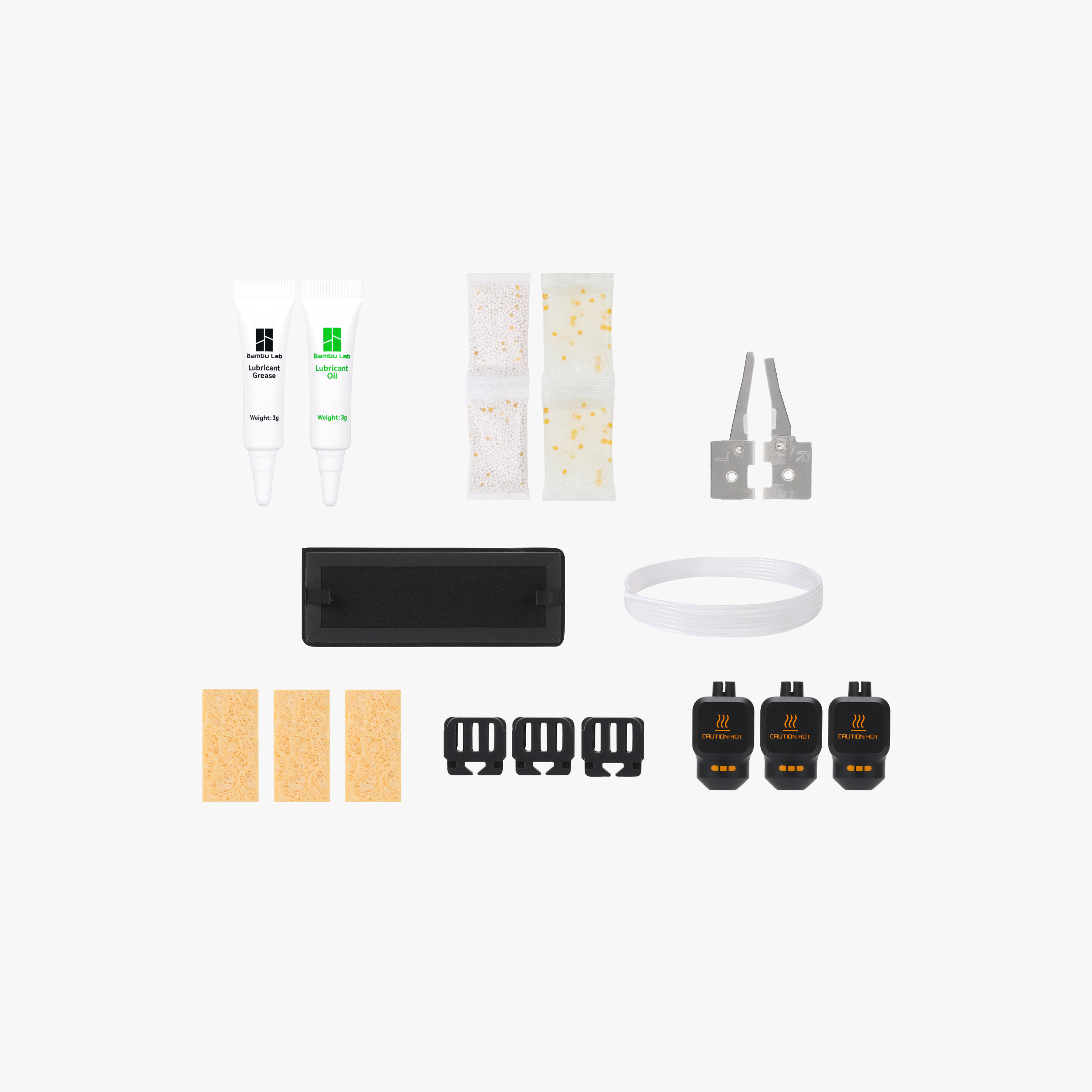
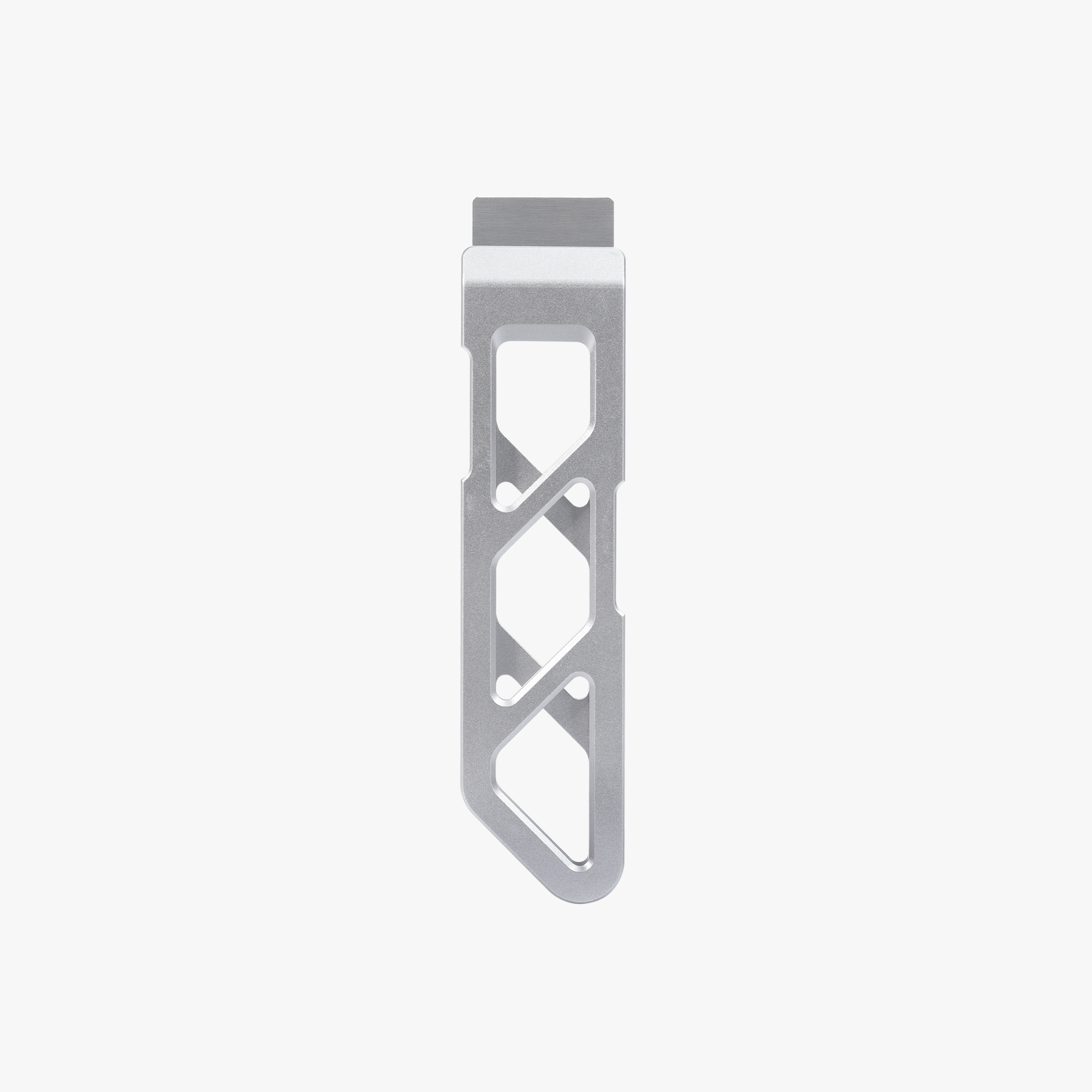
The single biggest cause of first-layer failure on a Bambu Lab printer is a plate with fingerprints on it. Wash plates with dish soap and warm water, dry with a clean cloth and handle them by the edges. Isopropyl alcohol is fine for a quick wipe but soap does a better job on skin oils. A Mag-Alloy scraper gets stubborn parts off without digging into the coating, and the printer's Maintenance Kit lubricants keep the rest of the machine as happy as the plate.
FAQ
Which plate comes with the printer?
It varies by model and bundle. Most current Bambu Lab printers ship with a Textured PEI plate; some include the Cool Plate SuperTack as well. Check your order page, then add the plate you are missing.
Can I print PETG on the Cool Plate SuperTack?
We would not. It sticks too well and you risk damaging the surface on release. Use Textured PEI for PETG, or Smooth PEI with glue stick.
Do I need glue on the Textured PEI plate?
No. PLA, PETG, ABS and TPU all stick to a clean Textured PEI plate without glue and release when it cools.
More guides
- Which Bambu Lab Printer Should You Buy? A Maker's Decision Tree
- Bambu Lab A1 vs P1S vs P2S: Which Mid-Range Printer Is Right for You?
- Bambu Lab AMS Explained: AMS lite vs AMS vs AMS 2 Pro vs AMS HT
- Best Bambu Lab Filament for Functional Parts: PLA Basic vs Tough+ vs PETG HF vs ABS
- Your First Week with a Bambu Lab Printer: Setup, First Prints and What to Buy
- Printing RC Car Parts on a Bambu Lab Printer: Our Club Race Hero Workflow