
Best Bambu Lab Filament for Functional Parts: PLA Basic vs Tough+ vs PETG HF vs ABS
For parts that take hits, our default is PLA Tough+ on open printers and PETG HF when the part needs a little flex or lives somewhere warm. ABS is for heat and you need an enclosure to print it well. PLA Basic is for everything that does not get loaded, which is more than you would think. We have crashed a lot of 1/28-scale RC cars into walls to arrive at that ranking.
PLA Basic: stiffer than people think
PLA Basic gets written off as a decorative material and that is unfair. It is the stiffest of the four, it prints cleanly on every Bambu Lab machine with zero tuning, and for anything that is loaded in compression or does not see impact (enclosures, jigs, organisers, display bodies, the dozens of RC parts that never touch the track) it is the right choice. It is also the cheapest way to prototype: we print the first three versions of any chassis in PLA Basic before committing to a tougher material.
Where it fails: it is brittle under sudden impact, so a thin PLA Basic bumper snaps where a Tough+ one bends. And it softens at roughly the temperature of a car's dashboard in summer, so nothing that lives in a vehicle or near a motor should be PLA Basic.
PLA Tough+: our go-to for RC chassis and brackets
PLA Tough+ is PLA that has been modified to take impact without shattering. It prints with the same easy profile and the same bed temperatures as PLA Basic, it does not need an enclosure, and the difference in a crash is night and day. Our CRH28 chassis plates, front bumpers and wheel carriers are all Tough+ and they survive wall hits that cracked the PLA Basic versions on the first lap.
It is slightly less stiff than PLA Basic, which is a feature on a bumper and a mild annoyance on a long thin chassis rail. We compensate with more perimeters rather than switching material. Temperature limits are the same as PLA, so it is still not a hot-environment filament.
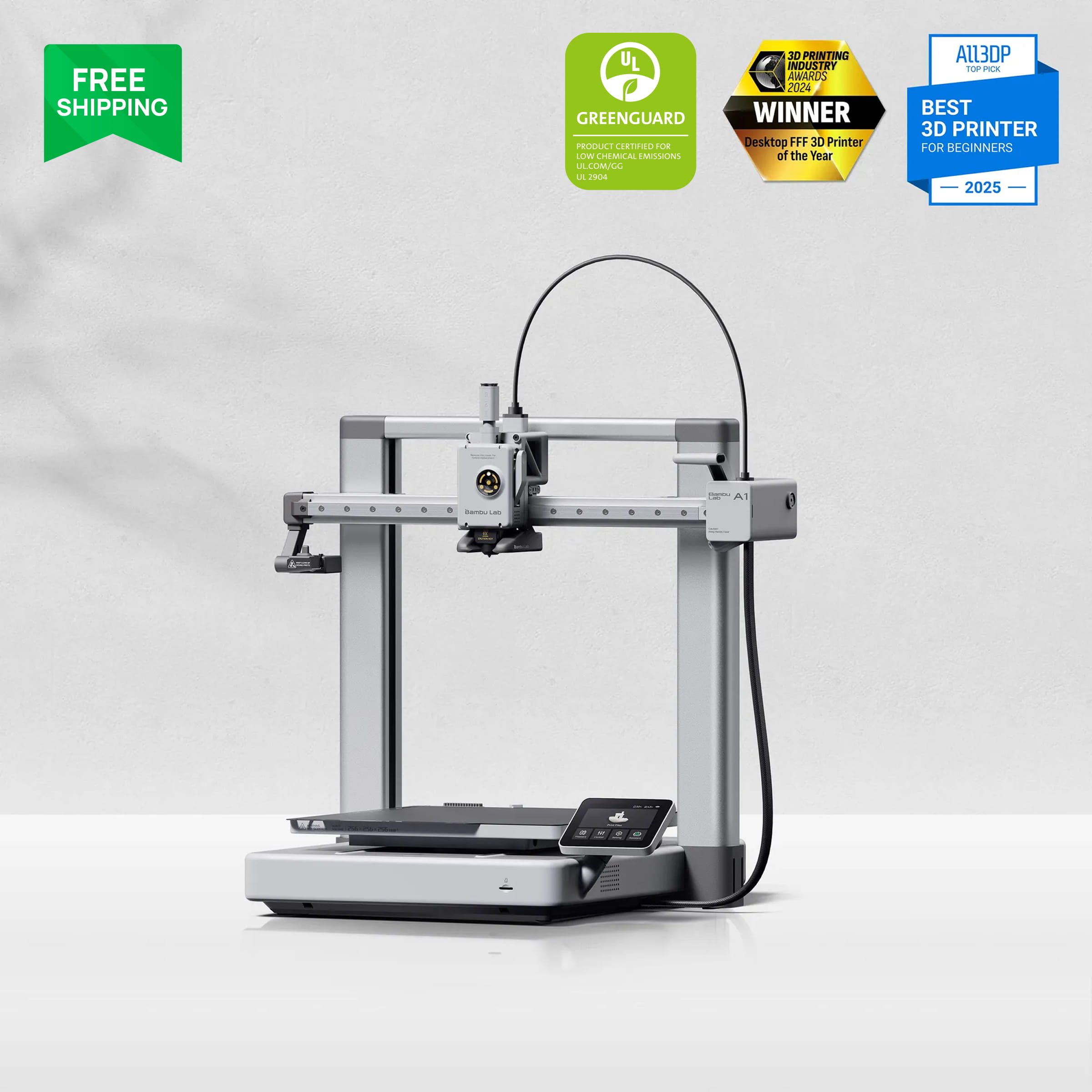
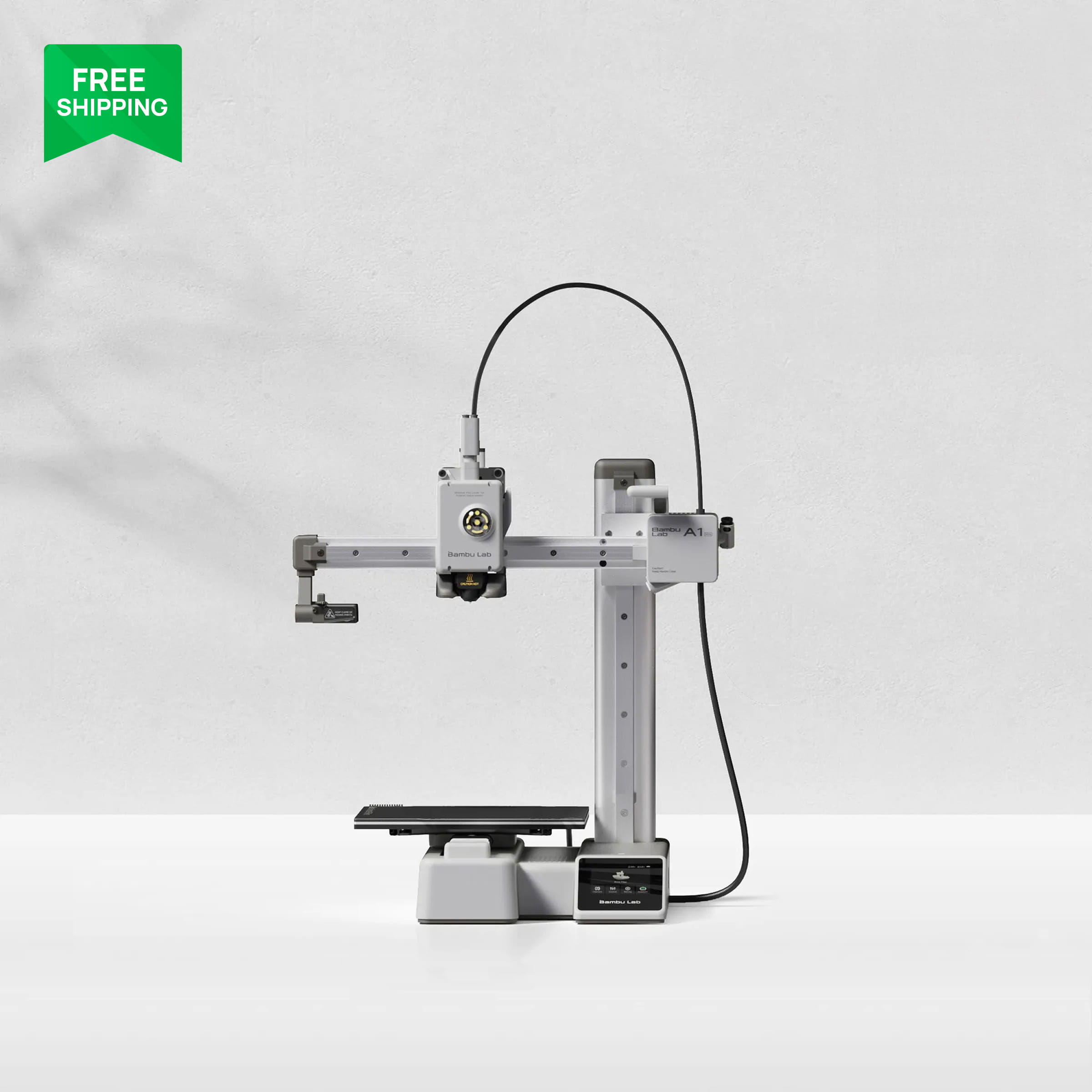
If you only buy one functional filament for an A1 or A1 mini, make it this one.
.jpg)
PETG HF: flex, heat and fast printing
PETG HF is Bambu Lab's high-flow PETG. Standard PETG is tough and handles more heat than PLA, but it is slow to print well because it does not like being pushed fast. The HF formulation fixes that; it prints at PLA-like speeds with far less stringing than the PETG we grew up fighting. It is our choice for parts that need to flex and return (servo saver arms, body clips, snap-fit covers) and for anything that sits near a warm motor or ESC.
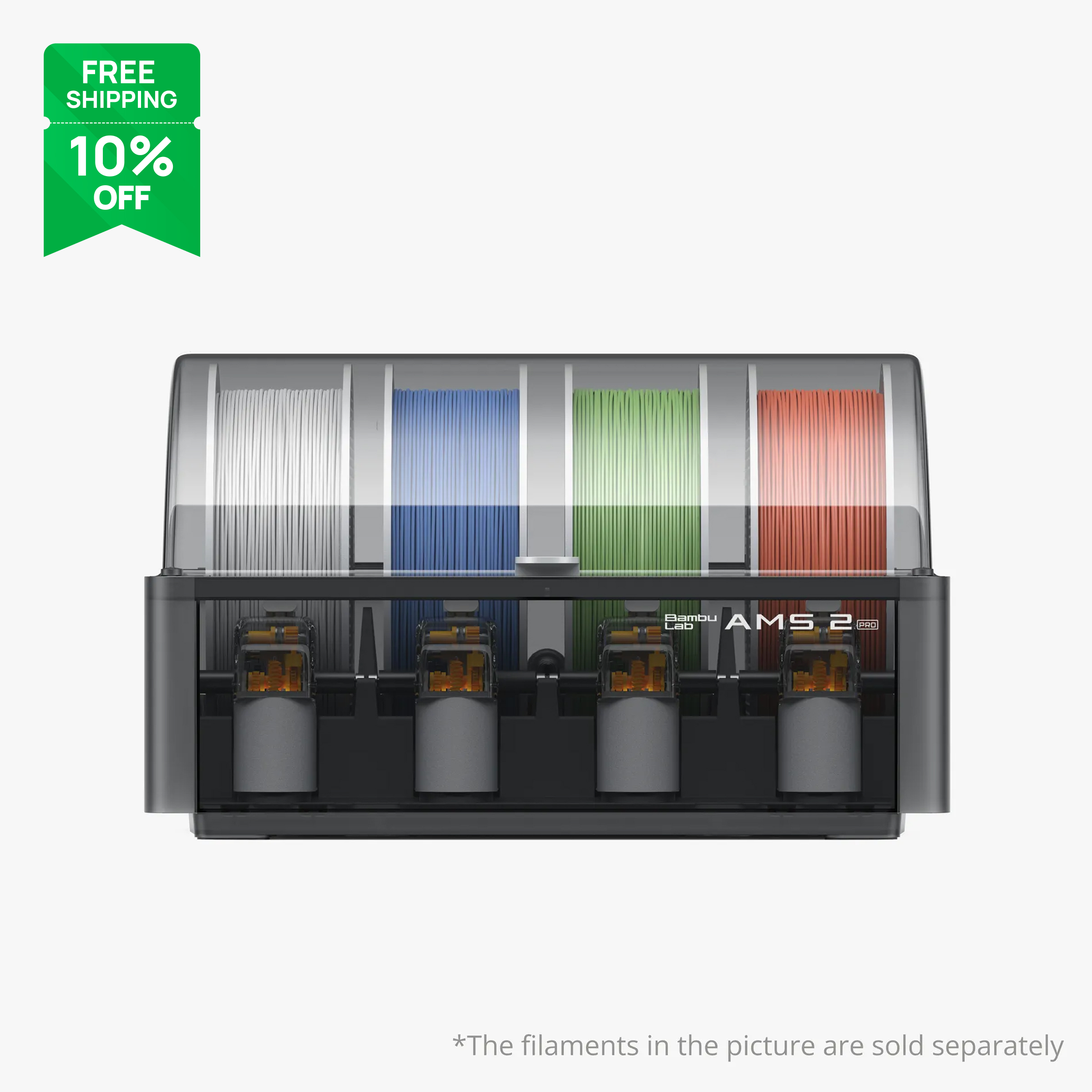
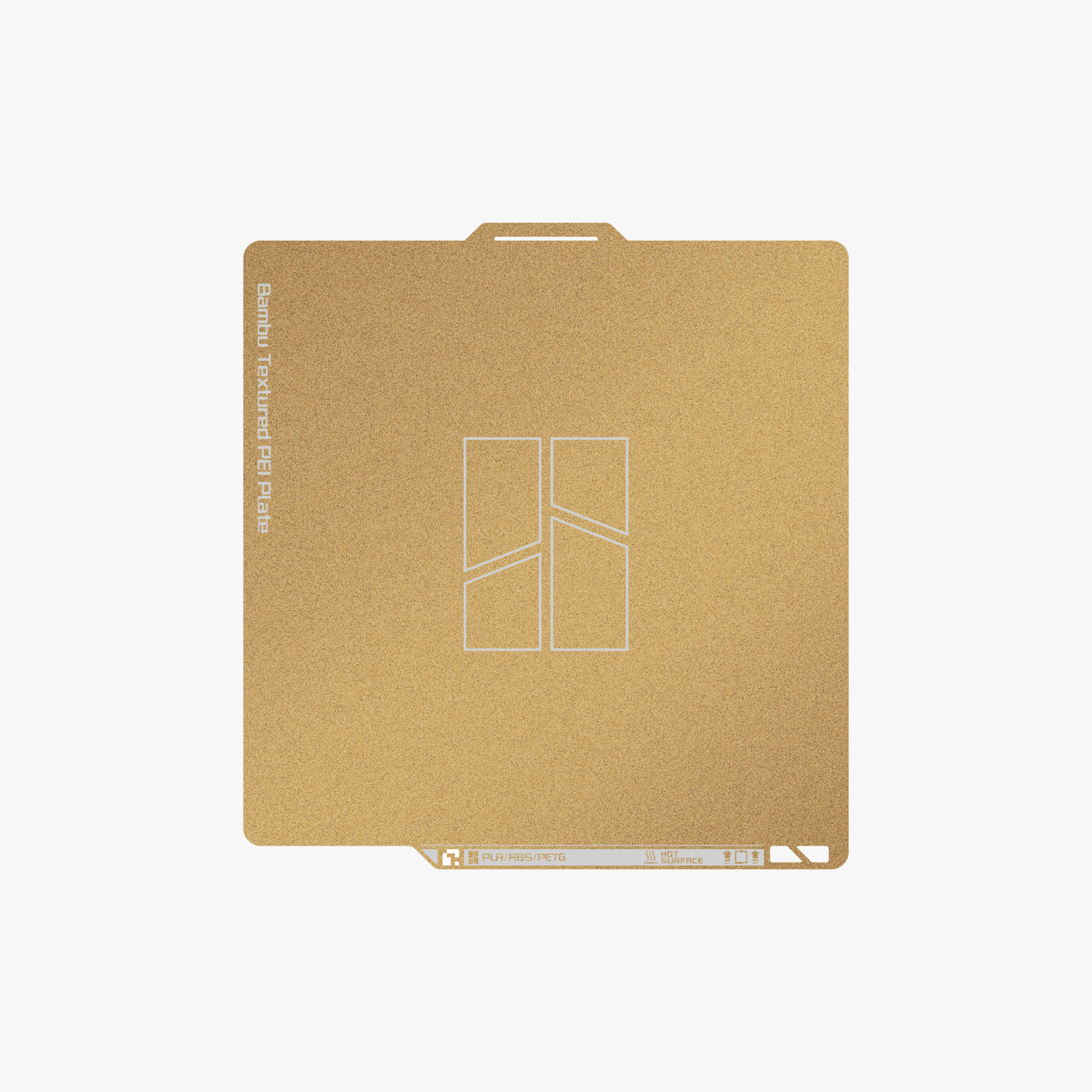
Two things to know. First, PETG is hygroscopic, so dry it; this is where an AMS 2 Pro earns its keep. Second, it bonds very aggressively to smooth PEI, so print it on the Textured PEI plate or you will fight to get parts off. Layer adhesion is excellent, which is why a PETG HF part tends to bend and whiten at a stress point rather than separate at a layer line.

ABS: for heat, if you have the enclosure
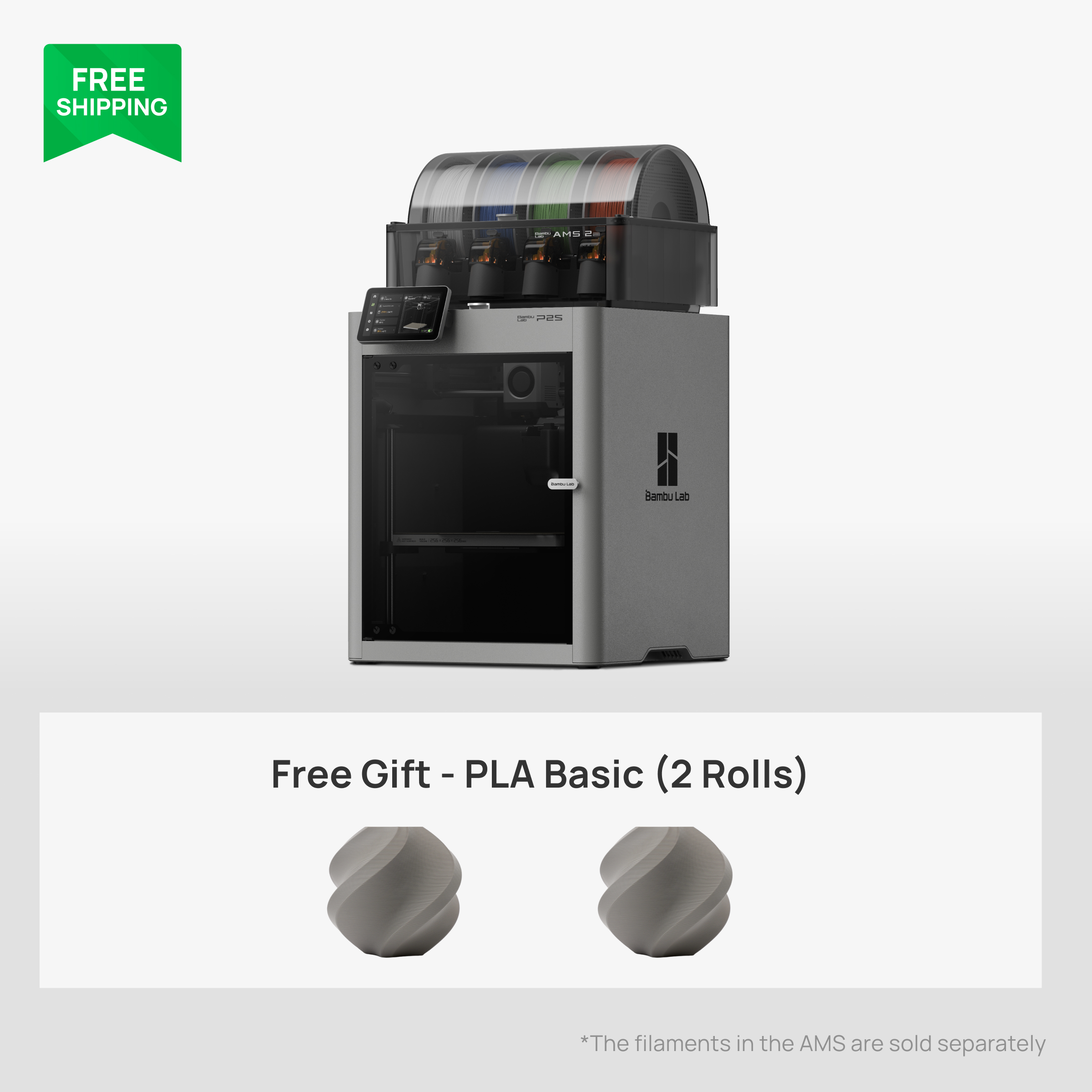
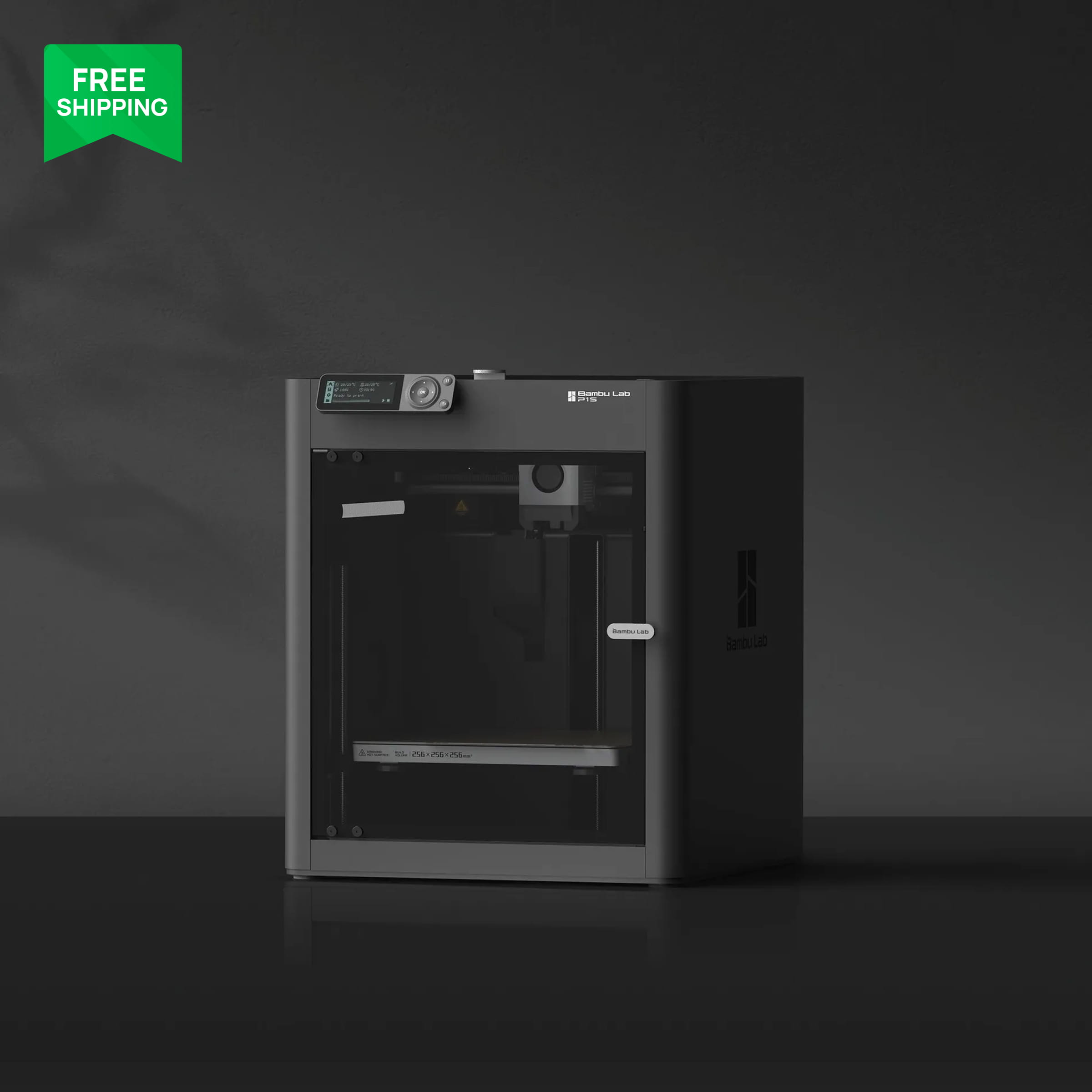
ABS is the classic engineering plastic and it still has a place: it takes more heat than PETG, it sands and solvent-smooths beautifully, and it has a slightly softer impact behaviour that some parts benefit from. The price is printability. It needs an enclosed printer (P1S, P2S, X2D or H series), a warm chamber and patience, and it gives off fumes you do not want in a bedroom. The P2S with the external exhaust fan kit is the sensible minimum setup.
We reach for ABS when a part lives next to a motor or gets left in a hot car. For everything else on an open printer, PETG HF gets you most of the way with none of the warping.

How we decide, part by part
- Gets hit: PLA Tough+ (open printer) or ABS (enclosed).
- Needs to flex and snap back: PETG HF.
- Gets warm: PETG HF for mild heat, ABS for real heat.
- Needs to be stiff and exact: PLA Basic.
- Prototype of any of the above: PLA Basic, then reprint in the final material.
Orientation and perimeters matter as much as material. A PLA Basic part with five walls printed so the load runs along the layers will outlast a Tough+ part printed badly. Material is the third lever, not the first.
FAQ
Is PLA Tough+ really tougher than PETG?
For impact on an open printer, in our experience, yes; it resists cracking better than standard PETG. PETG HF wins on heat and flex. Pick based on what the part has to survive.
Can I print PETG HF on an A1 mini?
Yes. PETG does not need an enclosure. Use the Textured PEI plate, dry the filament and use the stock Bambu Lab profile.
Why not just print everything in ABS?
Because it warps on open printers, smells, and needs an enclosure. Unless a part actually needs the heat resistance, PLA Tough+ or PETG HF give you fewer failed prints.
More guides
- Which Bambu Lab Printer Should You Buy? A Maker's Decision Tree
- Bambu Lab A1 vs P1S vs P2S: Which Mid-Range Printer Is Right for You?
- Bambu Lab AMS Explained: AMS lite vs AMS vs AMS 2 Pro vs AMS HT
- Bambu Lab Build Plates Explained: Which Plate for Which Filament
- Your First Week with a Bambu Lab Printer: Setup, First Prints and What to Buy
- Printing RC Car Parts on a Bambu Lab Printer: Our Club Race Hero Workflow